
The Twenty-second
Friday, October 27th 2023

“A mirage-like arctic splendor towered all around, a weird, unearthly architecture of ice. Huge ice-battlements, rainbow turrets and pinnacles, filled the sky, lit from within by frigid mineral fires. We were trapped by those encircling walls, a ring of ghostly executioners, advancing slowly, inexorably, to destroy us.” – Anna Kavan, Ice, (p 172)
Book in the Pipeline: Zofloya by Charlotte Dacre
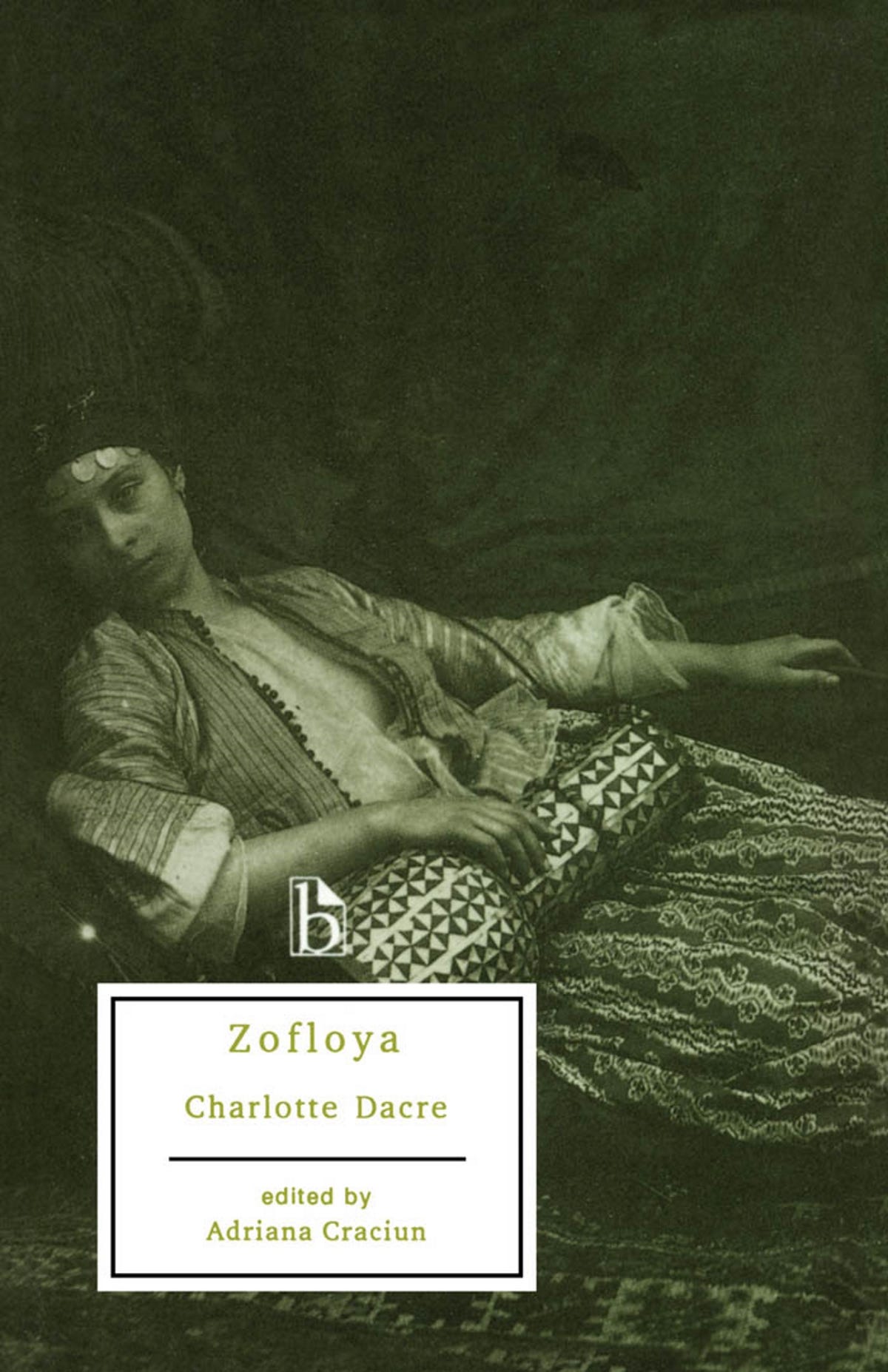
Fall, in my opinion, is the best season to read Gothic literature. As the cool winds of winter make their quiet announcement, as the leaves darken and drift along the sidewalks, curling in the slipping sun and crunching underfoot, an aura beckons, an ominous essence mixed with mystery, romance, fear–a certain gravity which only gothic literature can sate. And recently a good friend of mine introduced me to a gothic novel that, from the sounds of it, seems exemplary for the season. Zofloya, the second novel by English author Charlotte Dacre, published in 1806, is a story of “lust, betrayal, and multiple murder set in Venice in the last days of the fifteenth century.” It follows Victoria de Loredani, the beautiful daughter of a wealthy aristocratic family, who becomes seduced by a mysterious man named Zofloya–a man who may or may not be the Devil. Under his influence, Victoria is drawn into a world of betrayal, revenge, and dark passions, becoming involved in murder, deceit, and supernatural events, descending towards deathly devolution. Sexuality and desire, treachery and vengeance, fate and free will, and morality are among the threads which weave into its narrative tapestry, enticing equally the Romantic reader, the Victorian votary, and the admirer of the abominable alike. I’ve read that comparisons to Matthew Lewis’s The Monk are numerous and varied, which only heightens my interest, as that novel absolutely floored me when I read it years ago. So safe to say, I’m eager to get to this overlooked classic.
Book Still on the Mind: The Exorcist by William Peter Blatty
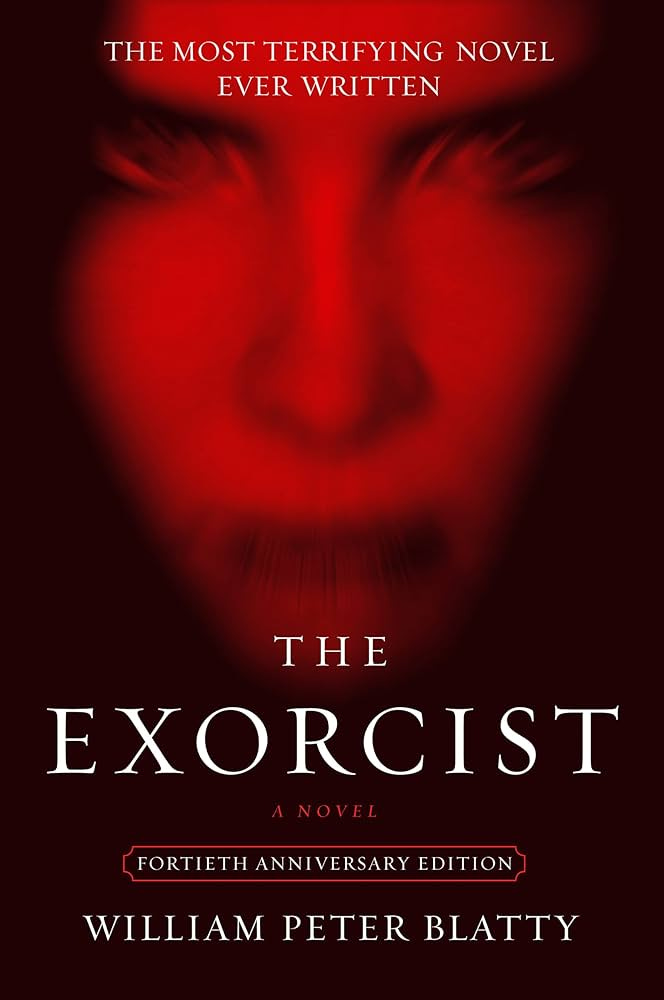
Two years ago, in celebration of spooky season, I read what is surely one of the most iconic horror novels of the twentieth century: William Peter Blatty’s 1971 The Exorcist. This October, I picked up his lesser-known sequel to the novel, Legion, which I finished a couple weeks back. While Legion was thrilling, frightening, and certainly suspenseful (I have a review forthcoming), I couldn’t help but think it didn’t quite reach to the achievement of the book that started it all. The Exorcist, inspiring the William Friedkin’s film to follow two years after the book’s publication, is all-out devilish descent into an unmatched horror, a fear whose fires burn upward from the depths of hell. It is the story of a young girl’s demonic possession and the attempts undertaken by her mother and a priest to exorcize the beast from her being. I remember Blatty’s novel–so terrifying in its depictions of a ravaging dark force, a spirit whose depravity knew no end, whose words and power surpassed even the most evil imagination–absolutely enthralling me, possessing me in a way not unlike what poor Regan endures in its pages. It’s impossible not to reminisce on and remember the book whenever October rolls around, especially as it’s a tradition of mine to watch the masterful film during this month. But especially as I’ve just recently pored through its sequel, I’m unable to exorcize the thought that I need to read this one again and again.
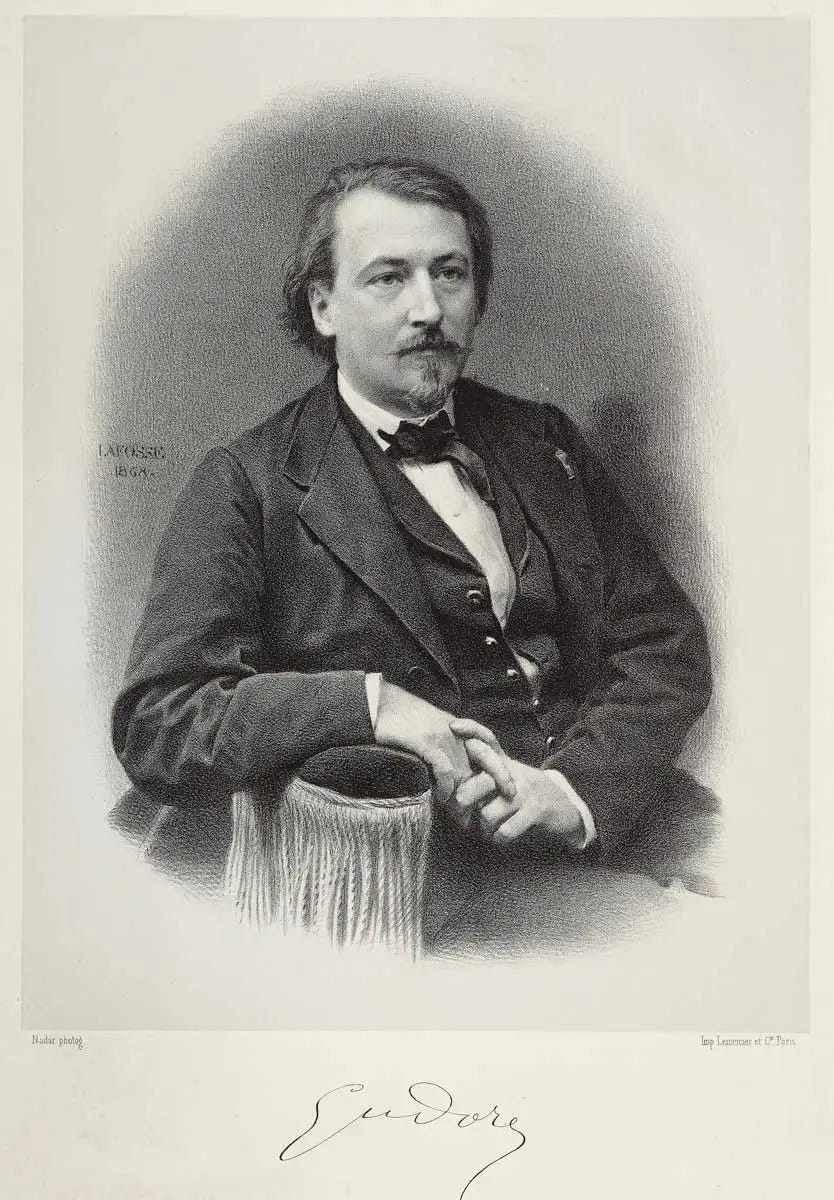
Art(ist) of the Week: “The Vision of the Valley of Dry Bones” by Gustave Doré (1866)
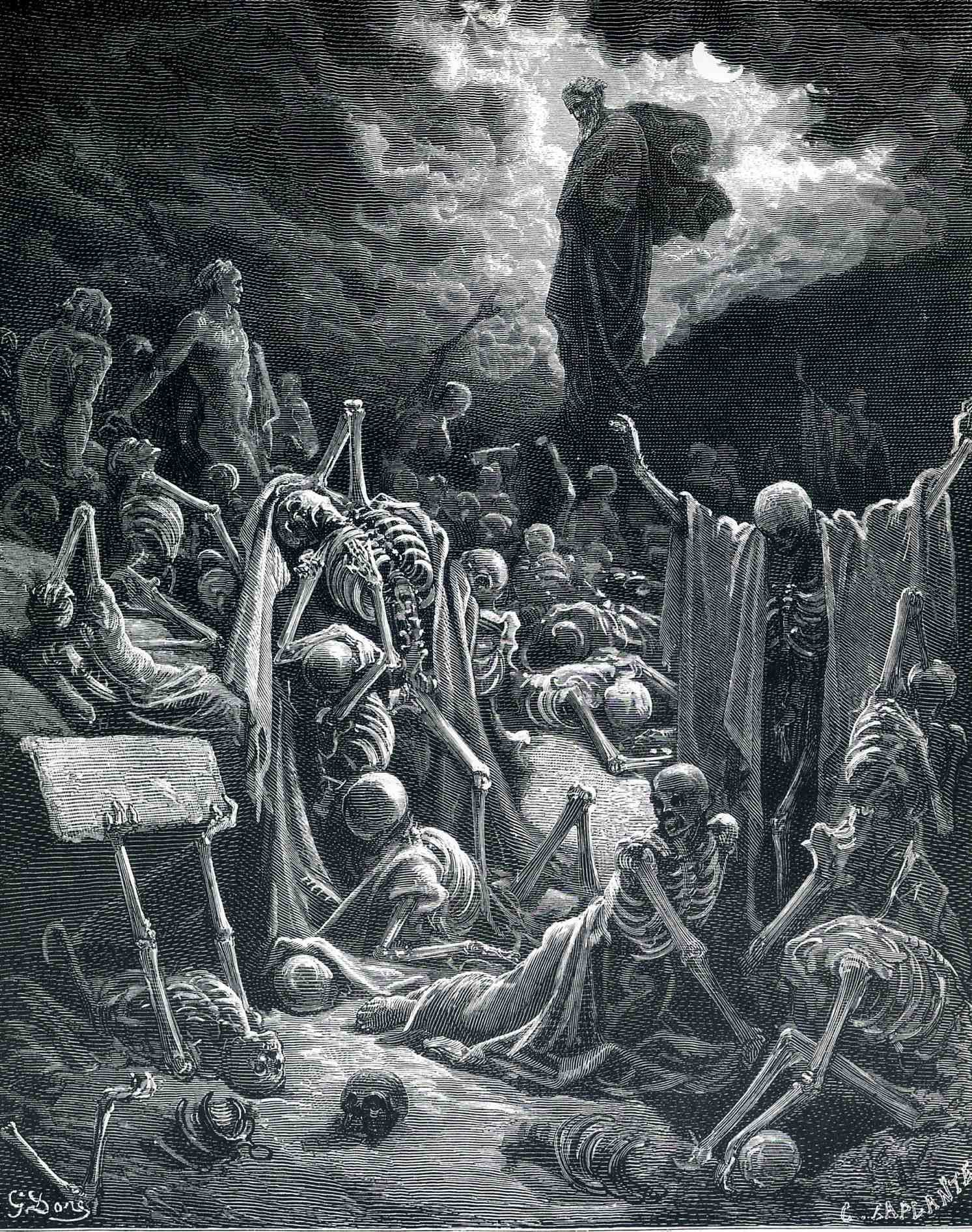
Gustave Doré (1832-1883) was a French painter, illustrator, sculptor, and printmaker best known for his bleak Romantic works depicting scenes from classic literature. Most may know him for his renowned depictions of scenes from Dante’s The Divine Comedy, which are numerous and darkly majestic, each and every one. And though, surely, I could have pulled one of them for my selection this week, I had to choose a specific favorite of his, a work which I think contains an aura, an atmosphere fitting for Halloween. It’s an engraving titled “The Vision of the Valley of Dry Bones,” introduced in the year 1866, that portrays a scene from Chapter 37 of the Book of Ezekiel of the Bible. In the chapter, the prophet Ezekiel receives a prophecy from God in the form of this terrifying vision which Doré has, through his work, brought to life, or perhaps death is the apter word. Devastation, despair, and death abound in the dark dreamscape of the vision, as Ezekiel stands upon a rocky crag, overlooking a mass of skeletons, dried bones in grim disarray. Slowly, the bones start moving, connecting, completing their inanimate skeletons before growing flesh and organs and turning human. In his depiction, Doré captures the dread, the disquiet, the distress inspired in such a scene, an absolute terror at the reawakening of the dead. And yet, it’s sublime in a macabre sense, beautiful in its fearsome, foreboding force, at once mystifying and menacing. It’s a wondrous work surely suitable for this spooky season where the spirits of the deceased are granted free reign to roam and rove among the realm of the living.
Music(ian) of the Week: “stardew” by Purity Ring
Yes, Purity Ring is once again my pick of the week, and I’m not for a second ashamed of it. For the past three weeks, I’ve been unable to wrench myself from their music, unable to resist their sweet sonic bliss, their hypnotic, awe-inspiring sound. “stardew” is the final track off their third and latest studio album, WOMB, released in 2020, a work of music that extends and builds upon the atmospherically aural ambience inaugurated in their antecedent albums. Far and away one of my favorite songs of theirs, “stardew” encapsulates, elevates, and explodes all the elements which have, for me, established Purity Ring as a truly virtuosic and singular band. In “stardew,” a piano melody, forlorn in its dark resonance, ignites the tune, growing with twinkling arpeggiated xylophonic tones, ticks, and tocks of clocks, blocks, and toys, building a nostalgic crescendo into the introduction of the chorus, where on the downbeat fall the orchestral waves of synths and bass, chords lifting upward in call and response to the melody carried onward by Megan James’s ethereal vocals and poetic lyrics: “Drive me like we daydream / to the edge of where you start / Leave me in the afterglow / the dew of dying stars.” Into the first verse, a syncopated bassline and beat lays the rhythmic undercurrent upon which emerges the leitmotif of our melodic overture, soft but ever-present, flowing forth into the interlude, summoning its symphonic peers, moving closer and closer before uniting in bright mellifluous movement into the chorus again. And then the process repeats, though altered with each iteration, subtle differences thwarting expectation and propelling the magnificence of the music. I thought, too, that the video for this song seemed fitting for the season: a slightly creepy, strangely adorable, intensively mesmeric visual tale of unearthly beings, through whose intimate motions one can glean emotions that are deeply human. WOMB “chronicles a quest for comfort and the search for a resting place in a world where so much is beyond our control,” and as the conclusion to such a quest, “stardew” lends the listener at once a divine sense of comfort and a breath of hope: “I know it seems far / but just be where you are.”

Wild Card: Zola Jesus’s Top Ten List of Criterion Films
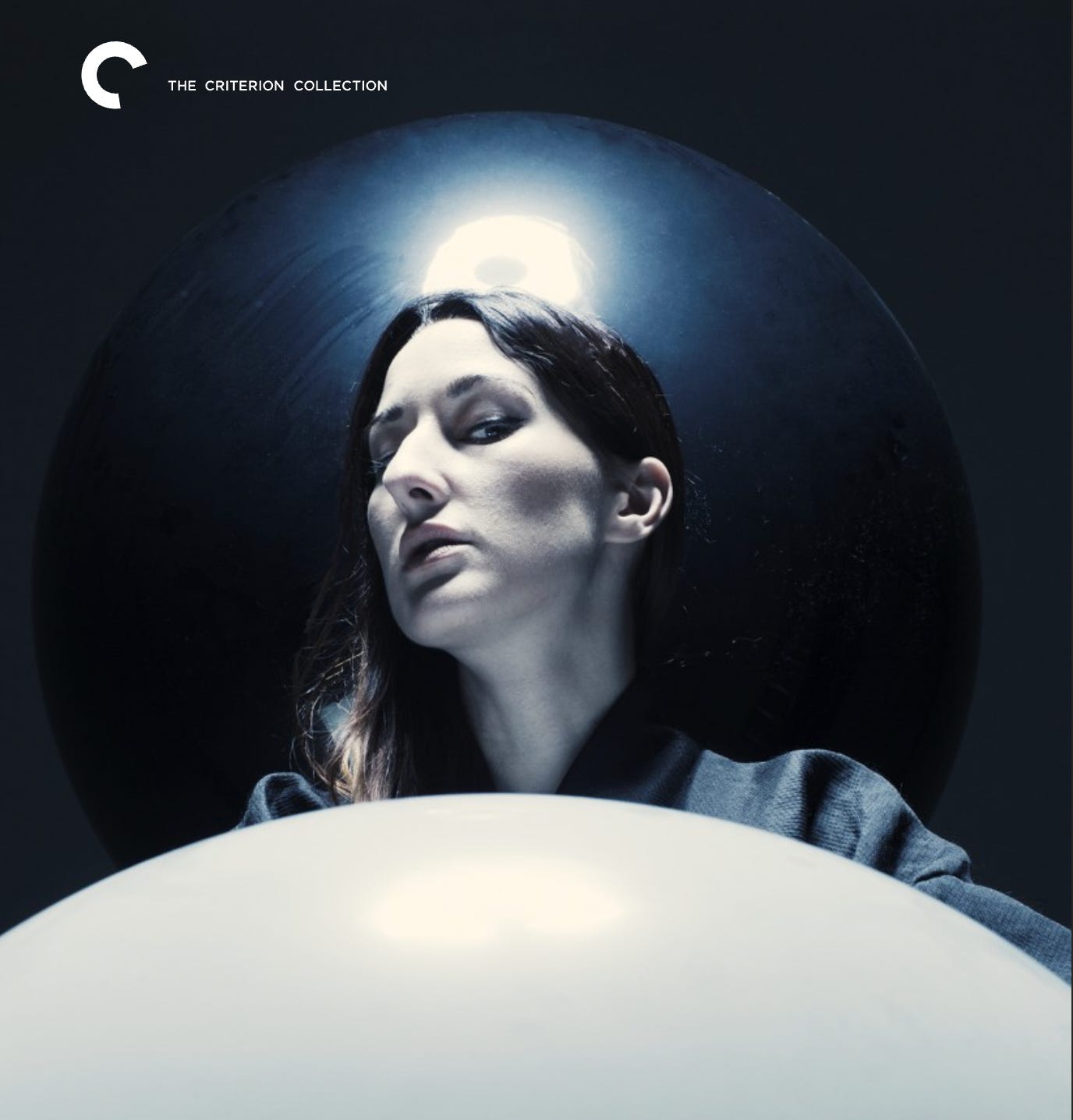
A favorite musician, artist, and film critic of mine, Nika Danilova, known by her stage name Zola Jesus, is someone I’ve watched closely over the years, staying abreast of all her ongoing projects, always eager to discover the next new things she’s accomplished. Her sound and aesthetic are marked by a dark sensibility, an ambience blending a daunting beauty and enigmatic eeriness–something I think is mirrored in her top ten favorite films from the Criterion Collection. Poring through these titles, there’s not a single one I don’t plan to watch.