
The Ninety-second
Friday, July 3rd, 2026

“and so the strange band footslogs, drained and starved, across a pitted, plundered country, one man, one beast, one boy, one centaur, and one angel, pitchforking corpses, chewing up the world, drinking only from puddles with frogs, actual amphibial frogs, not Frenchmen, because frogs don’t wallow in poison water, unless they, too, have death wishes, and only occasionally do these puddles bob with kerosene globules, which taste bad but make Bagger feel like a machine, keep rolling along, keep rolling,” – Daniel Kraus, Angel Down (p. 116)
Book in the Pipeline: Seiobo There Below by László Krasznahorkai
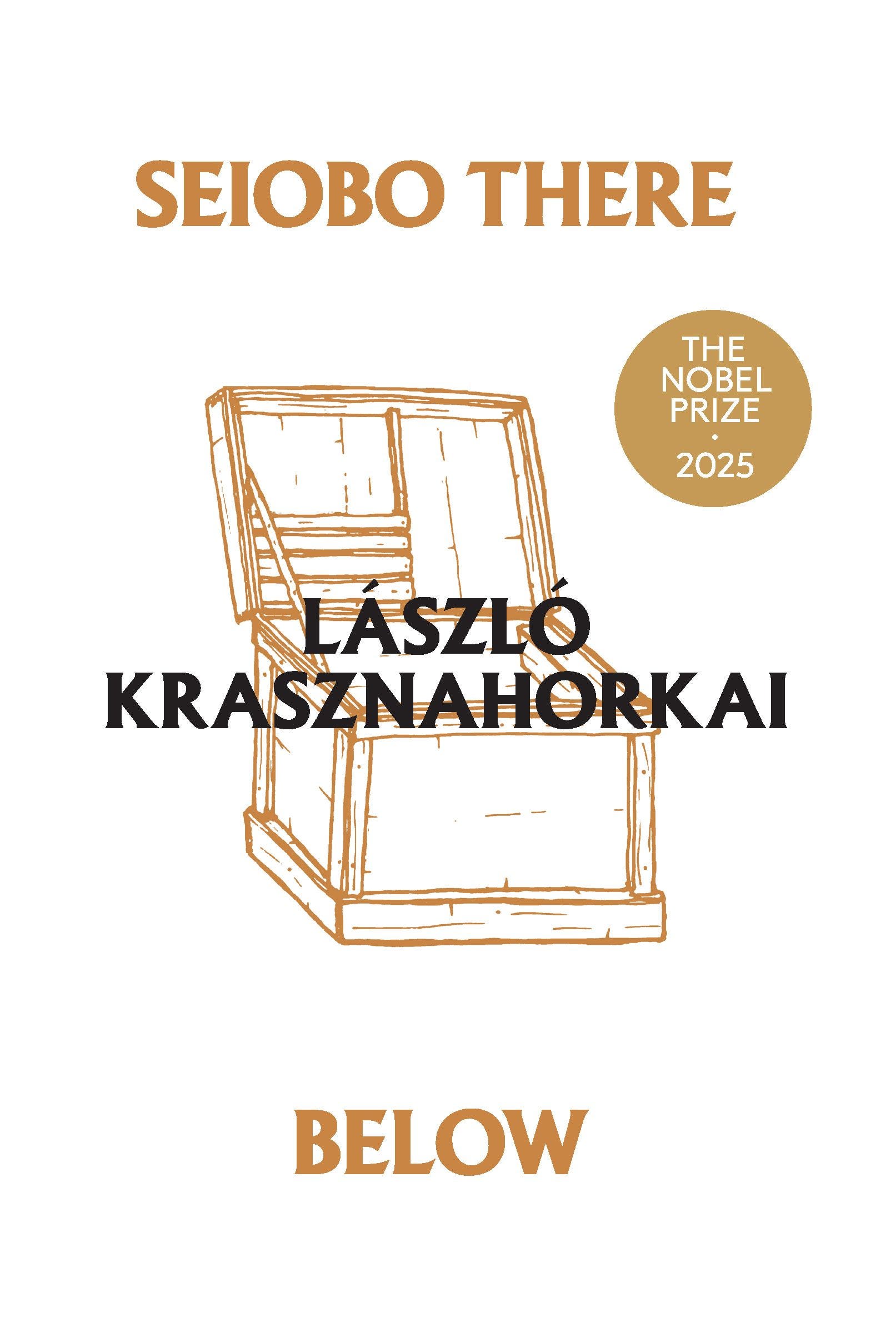
This past Sunday, The New Yorker published a new interview between one of my favorite literary critics, Merve Emre, and one of my favorite contemporary authors, László Krasznahorkai, who, just last year, won the Nobel Prize in Literature. I’ve read four of his novels so far, one of which, Satantango (which I wrote about here), remains among the greatest reading experiences I have ever had. But, given his extensive oeuvre, I still have much more to discover, and one particular novel, a copy of which sits on my shelf as I write this, is next in line: Seiobo There Below. Published in 2008, the novel explores the transcendent power of art across cultures, centuries, and disciplines, structured, shirking storytelling conventions, in a series of seventeen episodic sections, narratives numbered according to the Fibonacci sequence, tracing moments of artistic creation, preservation, and revelation from Renaissance painters and Japanese Noh actors to Buddhist restorers and anonymous museum visitors. Loosely linked by the legendary Japanese goddess Seiobo, each chapter seems less a story and more a rumination on beauty, craftsmanship, ritual, and humanity’s yearning to touch the divine. And like his other masterful works, it’s written in Krasznahorkai’s characteristically long, hypnotically meandering sentences, which demand and mesmerize in a single breath. In her piece, Merve Emre remarks how Krasznahorkai’s “themes are learned; his settings numerous and far-flung; his imagination apocalyptic, but very, very funny. His characters are mad men or visionaries—it can be hard to tell the difference—addled by their belief in a sacred perception of beauty, of transcendence, in a cruel and withholding world.” So succinctly put, Emre’s exposition excites my eagerness to once again encounter this apocalyptic imagination (“the Hungarian master of the apocalypse,” Susan Sontag called him) and rediscover for myself the intricate, bleak beauty that marks the work of his singular genius.
Book Still on the Mind: My Life in the Bush of Ghosts by Amos Tutuola
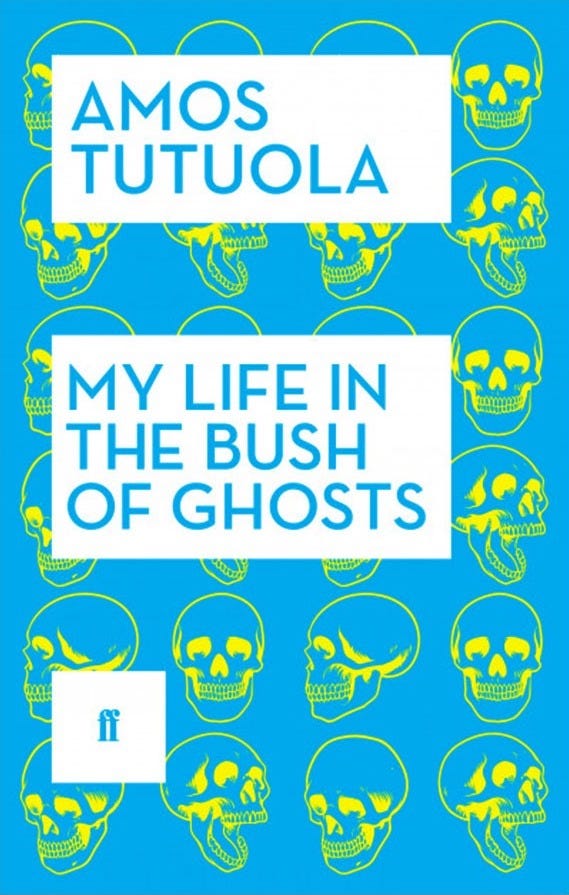
One of the strangest, most surreal, oneiric, at times hilarious, at others heartbreaking, short novels I’ve ever read comes from Nigeria. Published in 1954, My Life in the Bush of Ghosts by Amos Tutuola was an assigned read for a Text & Criticism course I took during my undergrad, an unforgettable class with a central theme: ghosts, specters, and haunting. So, it’s no wonder this title was included, an unsuspecting slim work whose 170 pages belie an expansive plunge into an anti-world that dazzled as much as terrified. The novel opens in Africa, with an unnamed seven-year-old boy, our protagonist-narrator, fleeing slave traders and seeking refuge in the surrounding forest, only to discover that he has stumbled into the Bush of Ghosts—a vast, supernatural wilderness inhabited by every conceivable variety of spirit, monster, and malevolent apparition. What follows is a discursive descent into an ever more bizarre and terrifying world. Each chapter introduces a new nightmare for our narrator: ghosts both benevolent and monstrous imprison him, reward him, deceive him, mutilate him, transform him into animals and grotesque creatures, force him into impossible labors, and subject him to prolonged torment before he somehow escapes, only to stumble into another haunted town where an entirely new set of uncanny trials awaits. Every apparent sanctuary proves to be another trap, every escape merely the beginning of another ordeal. And this relentless cycle of flight, captivity, metamorphosis, and survival continues for twenty-four years, during which the boy’s only constant desire is to find his way home. When I read it five years ago, I was unprepared—still early in my education—to fully grasp the treasure trove of motifs hiding in the forests of this novel: themes of politics, generational trauma, and colonialism braided with folklore, family, freedom, and fulfillment, hiding beneath the masks of the ghosts gripping the narrative. And now, writing this blurb impels me to reread it, to see, experience, and unmask the ghosts of this strange little novel.
Art(ist) of the Week: “Fruit and Flowers” by Jan van Huysum (c. 1720)
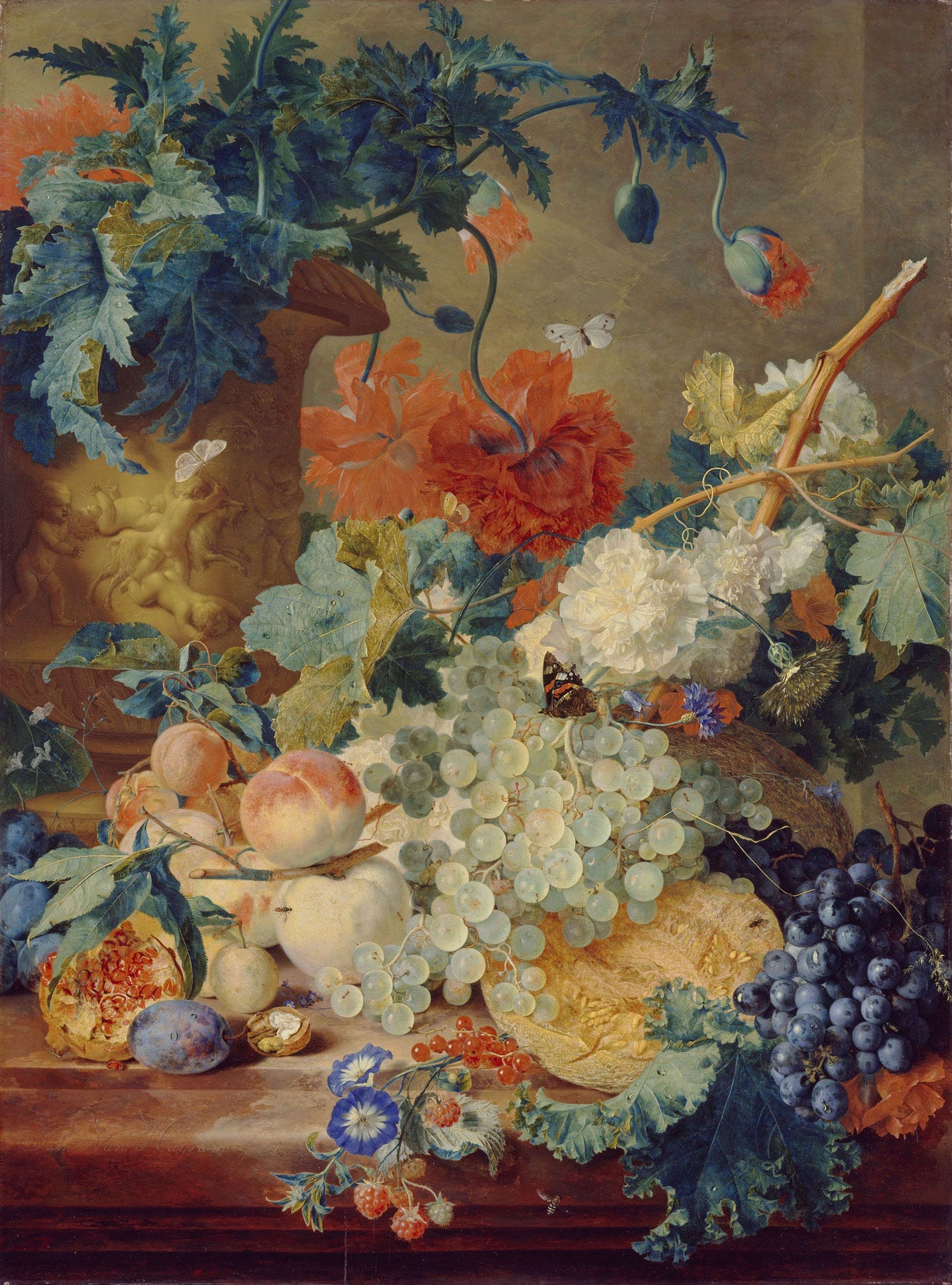
Last week I reached the halfway point in my Proust project: I finished the third volume of In Search of Lost Time, the longest of the bunch and certainly the hardest for me so far. When reading, like the two before it, I kept Karpeles’s Paintings in Proust close by, what’s proved to be a wonderful accompaniment, and it’s from his book, once again, that I’ve discovered another wondrous work of art: Fruit and Flowers by the Dutch Golden Age painter Jan van Huysum, unveiled in the early 1720s. It’s a sumptuous Baroque still life that overflows with botanical abundance. Towering scarlet poppies and white peonies spill across the upper half of the composition, their curling stems and broad blue-green leaves arching above clusters of translucent white and dark purple grapes, velvety peaches, a split pomegranate, melon, plums, and scattered berries arranged on a stone ledge. The palette contrasts brilliant oranges and reds with cool greens, blues, and creamy whites, while soft, directional light lends every surface remarkable depth and texture—from the bloom on grape skins and the fuzz of peaches to the delicate veins of leaves and the fragile wings of a butterfly perched among the flowers. Van Huysum was a new name for me, and the extraordinary precision which imbues the scene with almost photographic realism, and careful orchestration, flowers and fruit cast against the classical urn in the background, were immediately striking. It’s a painting that elevates a simple observation into an idealized vision of cultivated beauty, excess, the fleeting perfection of the natural world. I’m a sucker for a still life, and this one, happily found, has entered the list of my favorites, and now I can’t wait to delve into more work by van Huysum.
Music(ian) of the Week: “Let Me Down” and “Life Goes On” by Oliver Tree
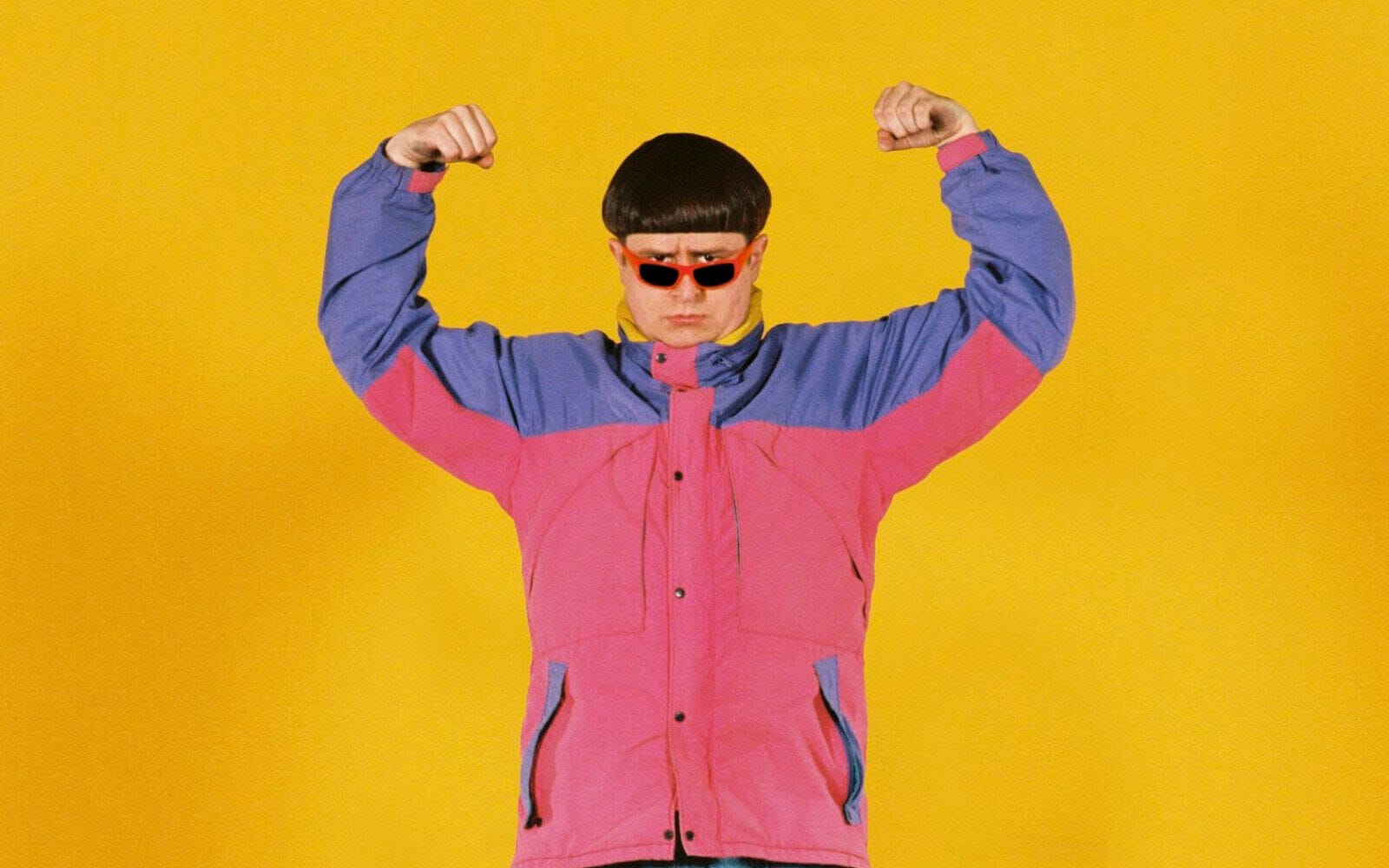
Sunday, June the 14th was a sad day for music fans around the world. Oliver Tree’s death marks the loss of one of the most distinctive and promising musical voices of our time. Writing this, more than a week later, it still feels wrong to use the past tense when describing him, as his music, his character, his art still feel so much larger than words can describe, much too great and far too soon for a tribute. He was instantly recognizable with his trademark bowl-cut, oversized fluorescent pink-and-purple windbreaker, wide-flared JNCO jeans, tiny sunglasses, and tenor-ranged vocals, who cultivated, perched from the pink handlebars of his Razor scooter, a truly larger-than-life persona that blurred the boundaries between musician, comedian, and performance artist, yet was endlessly simply himself. And behind the outward absurdity of his aesthetic and antics lay a remarkable talent for songwriting, with lyrics, across his four-album arc, exploring loneliness, alienation, heartbreak, self-doubt, and, above all, perseverance—all in a sonic blend of alternative rock, electronic, hip-hop, pop, and even folk. These two tunes, “Let Me Down” and “Life Goes On,” off the deluxe edition of his debut album Ugly is Beautiful, two of my favorites, capture all the aspects that made him so great yet fail to encompass the versatility of his ability. These tunes, brought to life with their inventive music videos, resonated with millions of listeners, particularly younger audiences and chronically online millennials like myself, skyrocketing Tree into a niche, Internet-inspired limelight, while tracks like “Here We Go Again” and “Miss You,” coupled with collaborations with dubstep producers such as Getter, Nghtmre, and Subtronics, became instant staples across the electronic dance music community, finding fans from every aisle of the genre and spurring countless remixes to boot. At a time when social media and consumerism maintain a stranglehold on a music industry that pressures up-and-coming artists to conform to corporate demands, to compete for likes and comments at the expense of one’s genuine artistry, Oliver Tree was a bastion of authenticity. He went against the grain, balked the trends, never for once sacrificing who he was and who he wanted to be, and so he became, over the course of his far-too-shortened career, a beacon for young dreamers, championing the value and virtue of staying true to oneself. Rest in peace, Oliver Tree. You will be sorely missed.
Wild Card: The Philadelphia Chinese Lantern Festival


A couple weekends back, my girlfriend took me to the Philadelphia Chinese Lantern Festival, located at Franklin Square between Chinatown and Old City, just three blocks north of Independence Hall. Organized by Historic Philadelphia, it’s an annual summer event, which, this year, celebrates its decennial, but its roots run back thousands of years. Lantern festivals originated in ancient China during the Han dynasty, where illuminated lanterns were first displayed to mark the fifteenth and final day of the Lunar New Year celebrations. Over the centuries, the tradition evolved into a vibrant public festival of light, art, and community, with intricately crafted lanterns symbolizing prosperity, reunion, and good fortune. Today, that centuries-old custom has found a second home in Philadelphia, where elaborate sculptures, some massive, others small, stand, shift, and sway throughout a grand glittering garden, turning the park into a technological topiary with tunnels of light and animatronic artworks aglow across all areas of the outdoor enclosure. At its center sits a great fountain whose colorful waterworks occur at regular intervals, synchronized spews and spouts, brightened by beautiful blooms of light from underneath. We spent well over an hour traipsing the grounds, taking in the lighted sights, basking in the awe and wonder inspired by such incredible works. Since its inception a decade ago, it’s become a staple of the city, a wonderful event and perfect outing after dark.


Happy birthday, babe!!